From First Christian Church in Mesa.
In the span of just over two years, First Christian Church of Mesa has moved from the brink of closure to a season of renewed life and possibility. What began as a fragile hope has become tangible growth, deeper connection, and a congregation re-imagining its future. The Congregational Vitality Grant from the Arizona Region arrived at a pivotal moment in that journey, becoming a life-giving catalyst, helping revitalize not only our physical space but also our capacity to welcome, worship, and serve with confidence and joy.
In September 2023, First Christian Church of Mesa was facing the very real possibility of closure. Weekly attendance had declined into the low teens, deferred maintenance had taken a visible toll on our facilities, and our physical space no longer reflected the welcome or vitality we hoped to offer our community. As new people began finding their way to FCC Mesa, it became clear that our aging facilities and outdated systems were hindering our ability to sustain that momentum.
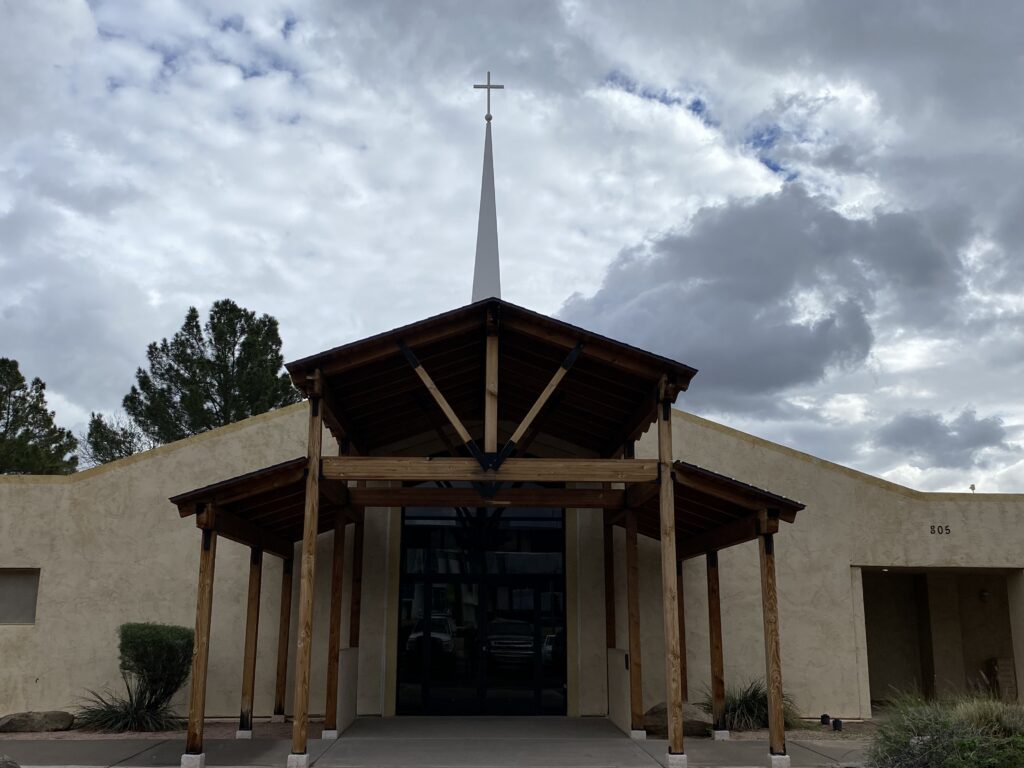
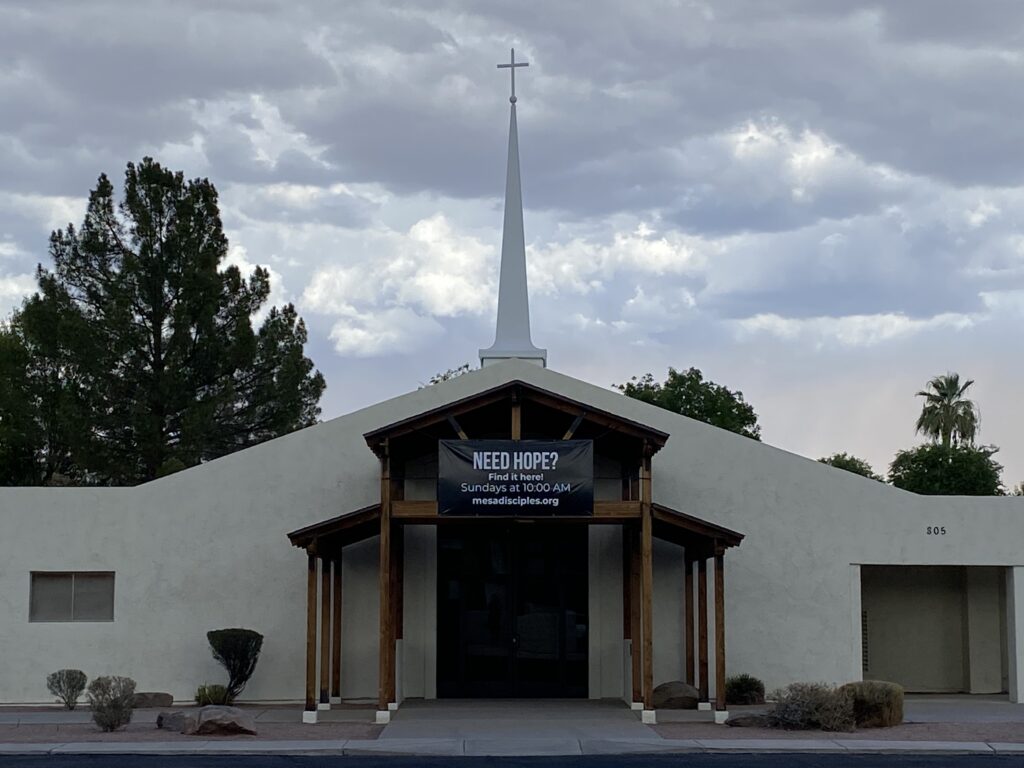
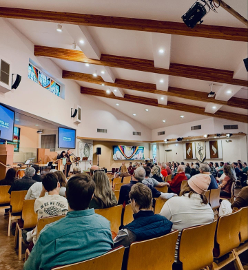
The physical improvements funded by this grant directly supported the emotional, spiritual, and communal life of the congregation. As spaces were refreshed and repaired, congregational morale rose alongside them. Since the completion of the project, we have seen increased attendance, stronger visitor retention, and consistent feedback from congregants and guests that the building now feels “alive,” “hopeful,” and “welcoming.” The renewed environment has helped people imagine a future here and has reinforced the sense that FCC Mesa is a church moving forward with purpose and new life.
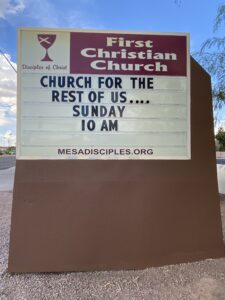
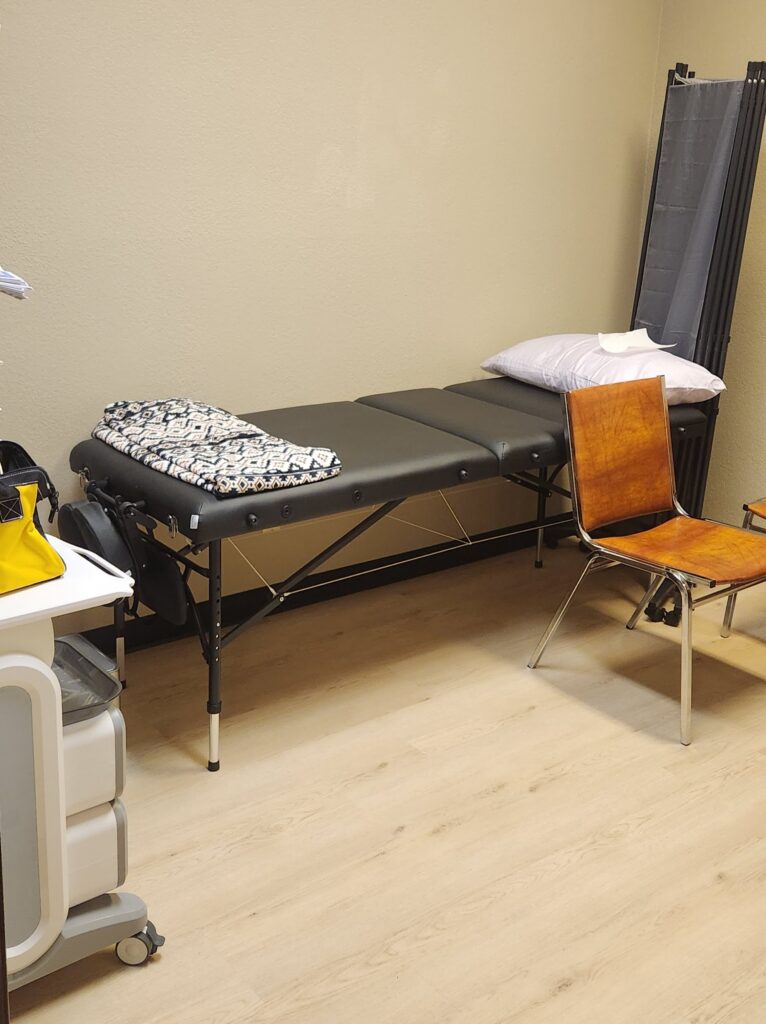
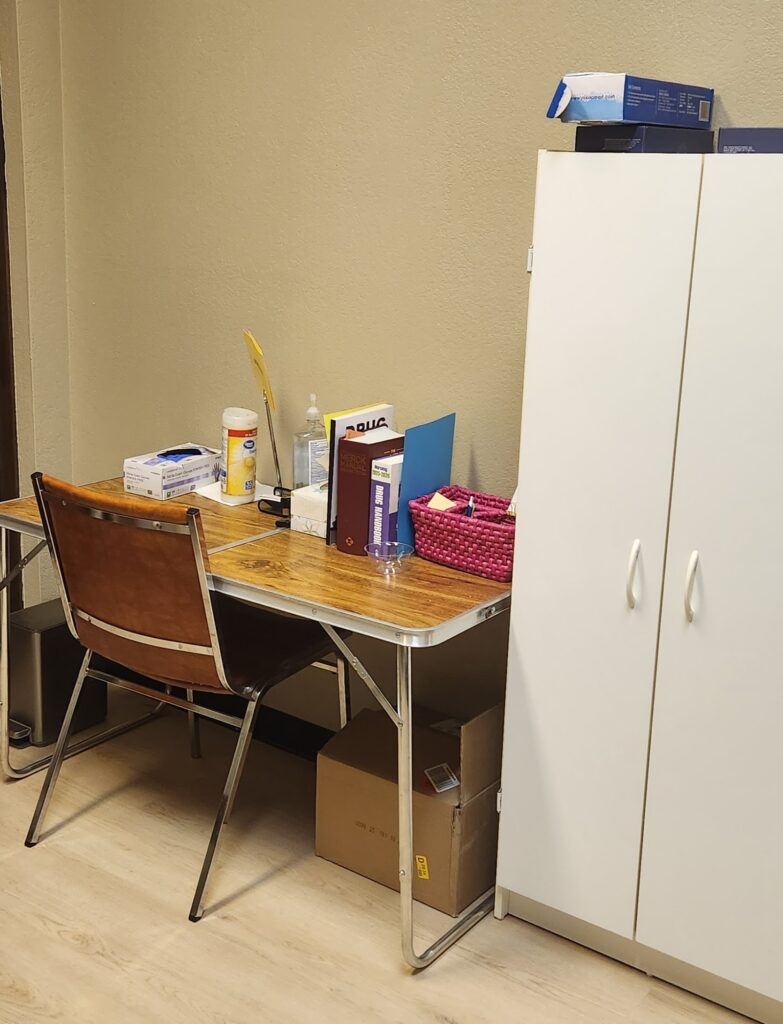
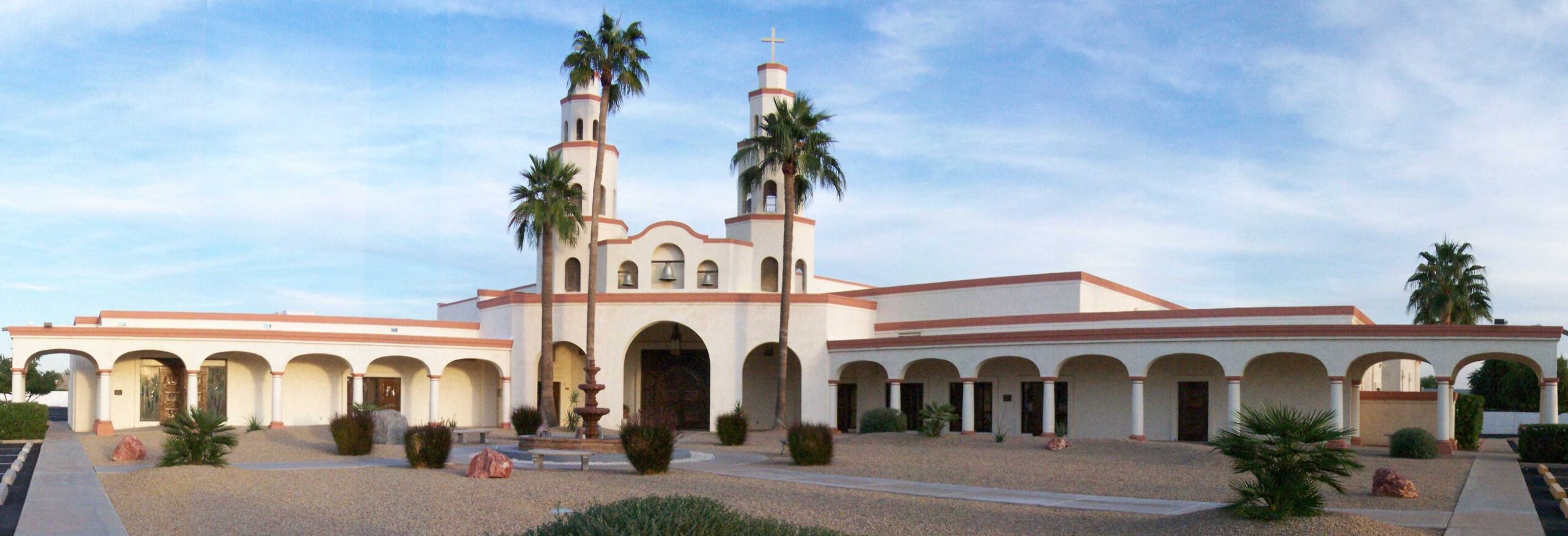
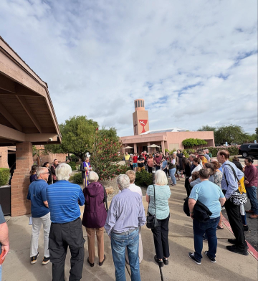
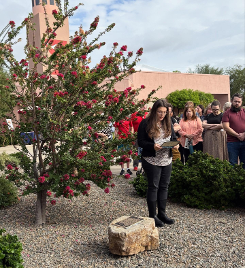
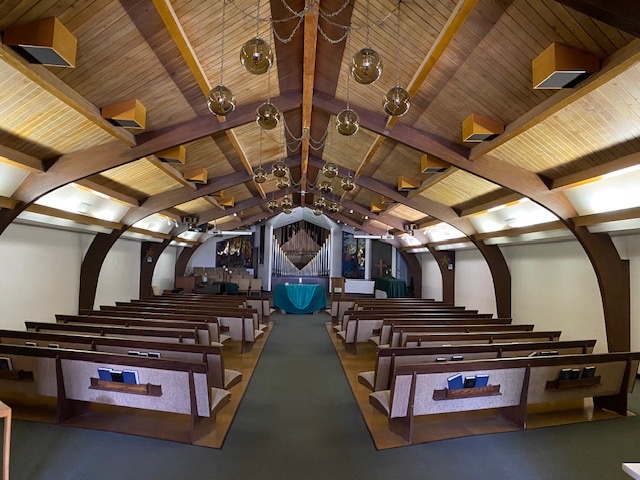
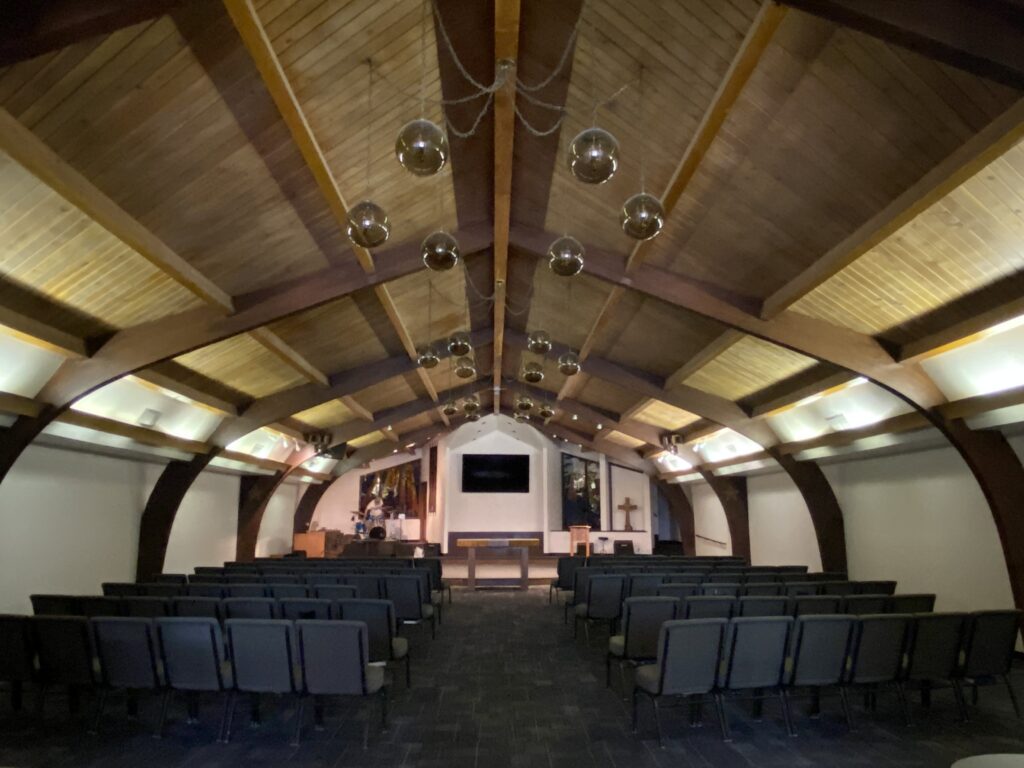
We have addressed long-neglected “front-of-house” issues that shape first impressions and hospitality. Exterior painting of the church building, Fellowship Hall, Ramada, monument sign, and perimeter walls significantly improved curb appeal and visibility along Country Club Drive. Inside, new paint, updated flooring, improved lighting, restroom fixture replacements, and long-overdue repairs created brighter, cleaner, and more accessible spaces. These updates removed barriers for guests and members alike and made our campus feel cared for, intentional, and inviting.
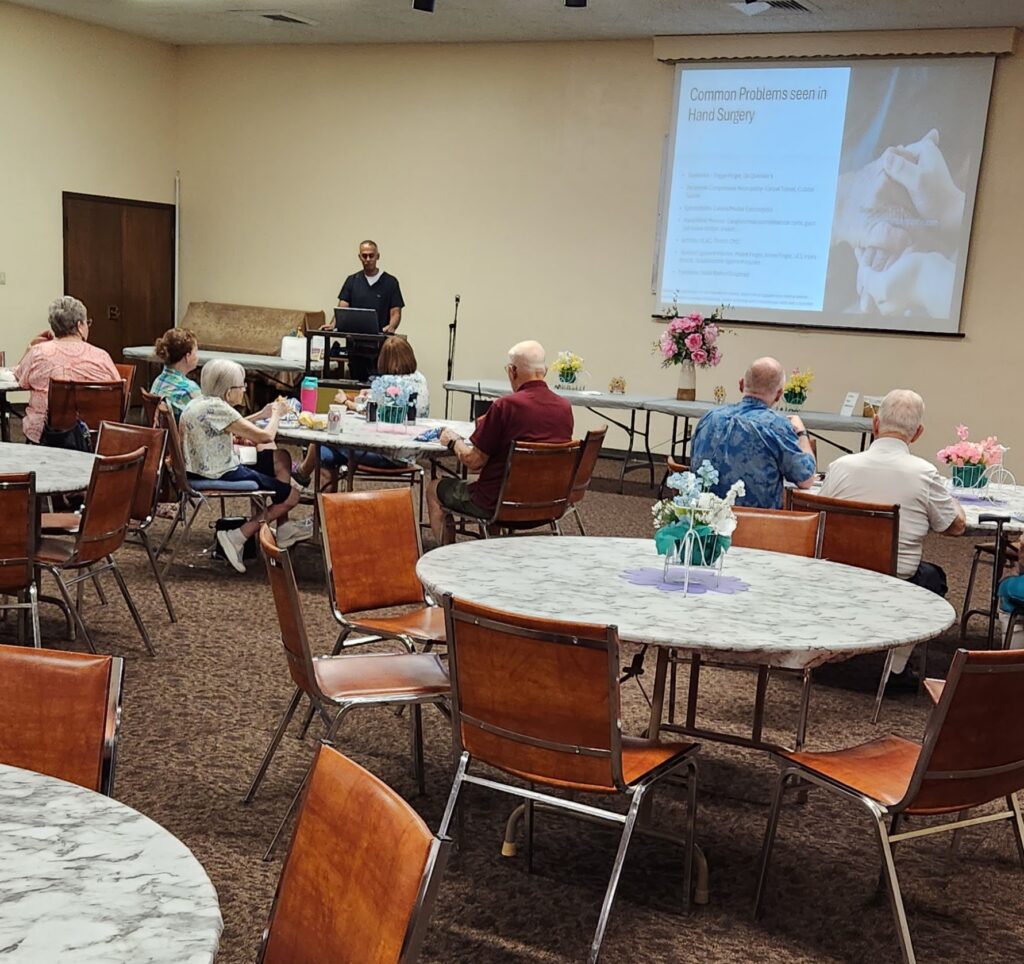
One of the most impactful outcomes of the grant was the modernization of our sanctuary audio visual and media systems. Prior to the project, live streamed worship was inconsistent and difficult to follow, limiting our ability to engage online visitors. New sound equipment and a display screen dramatically improved both in-person worship and online participation, allowing us to connect with homebound members, online seekers, and those exploring faith from a distance.
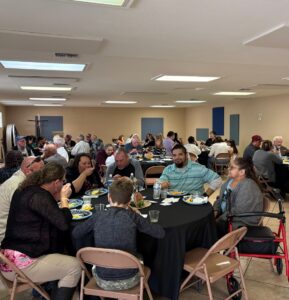
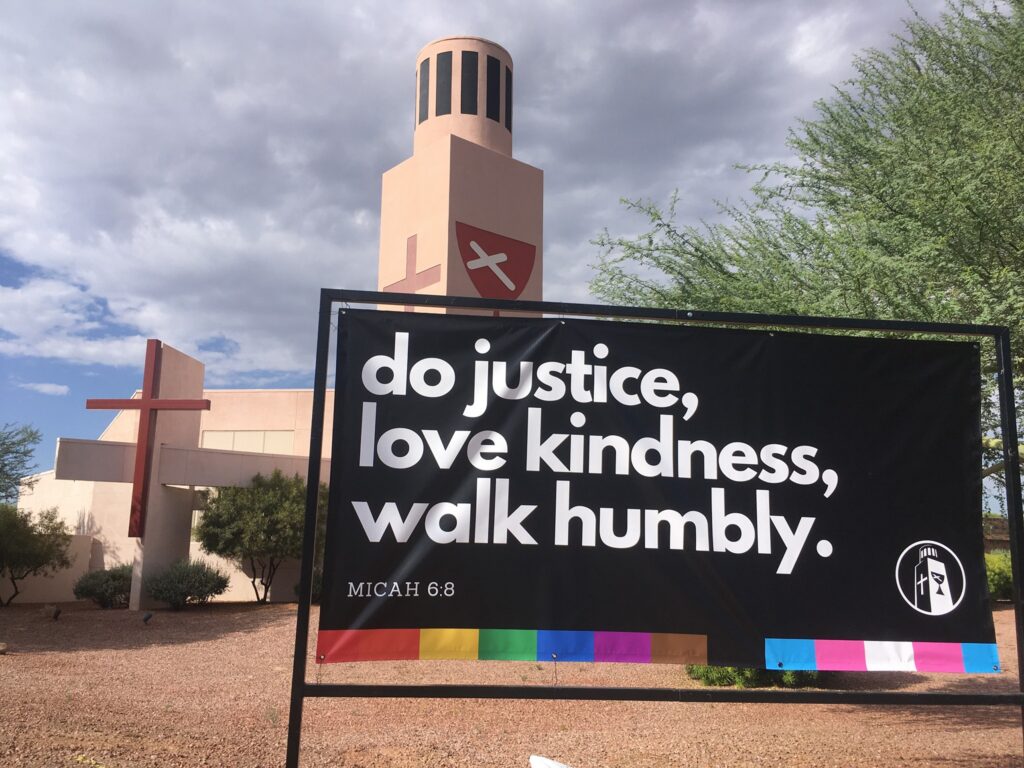
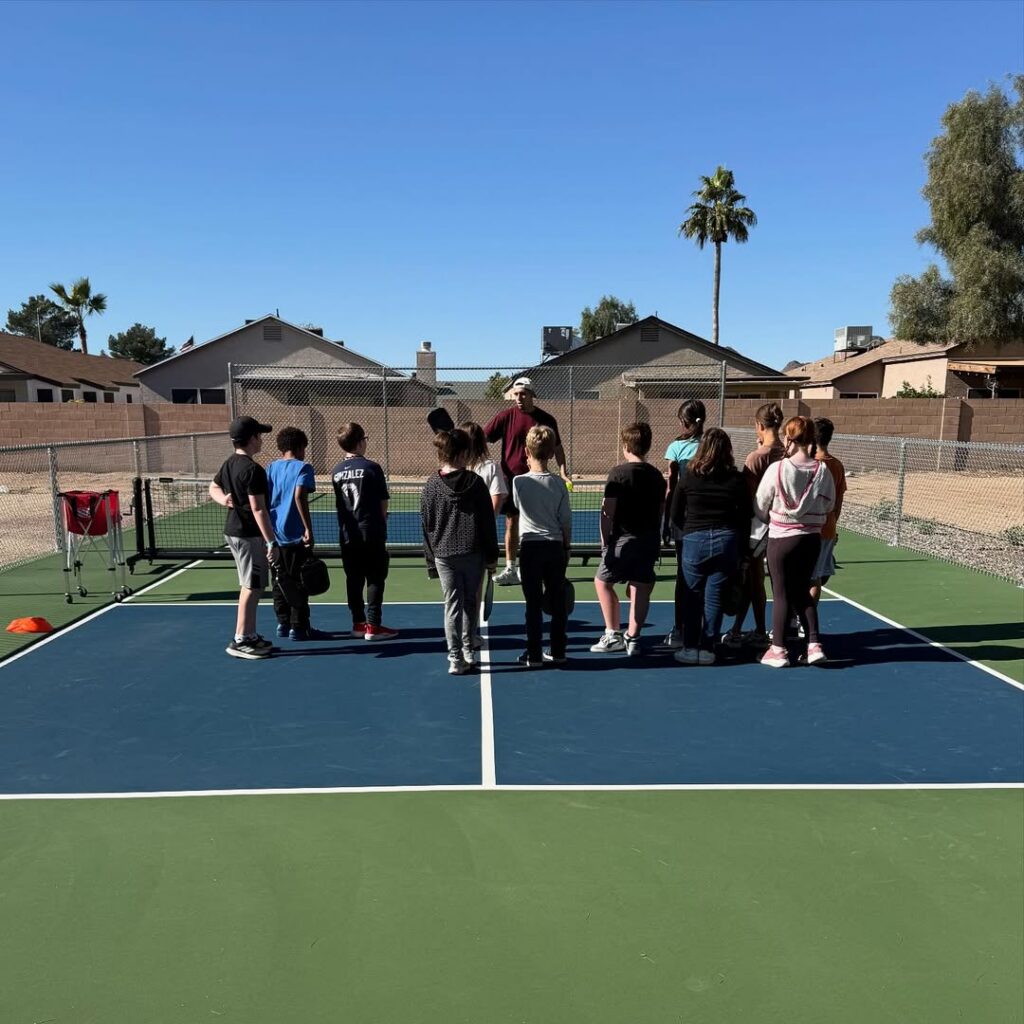
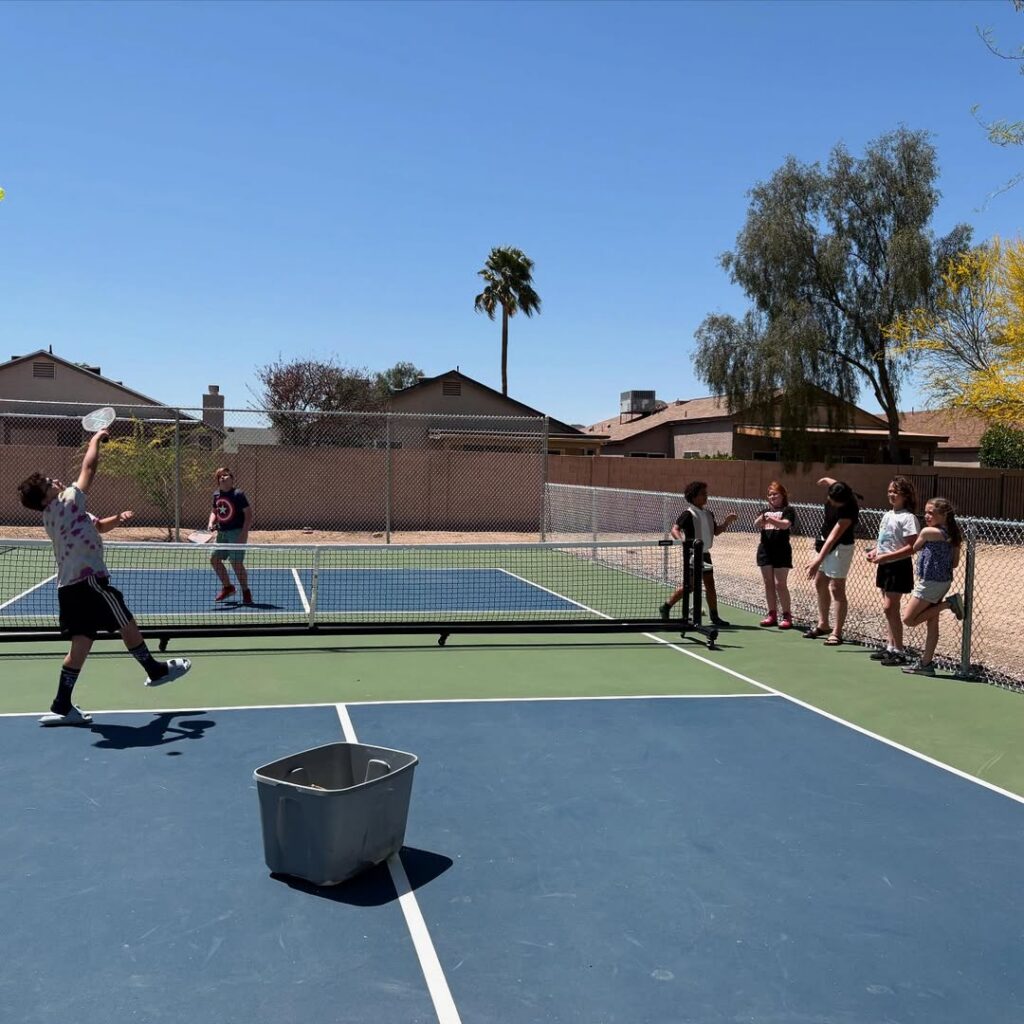
The revitalization of our campus has strengthened our presence in the wider community. A safer, refreshed playground has reinforced our commitment to children and families, while improved facilities have positioned our Fellowship Hall as a welcoming space for community gatherings and neighborhood events. As a progressive and inclusive congregation in a largely conservative religious and political landscape, our renewed facilities now better reflect our identity and mission, communicating welcome and belonging before a word is ever spoken.


None of this amazing work would have been possible without the Regional Congregational Vitality Grant. The scope of improvements far exceeded what our congregation could have accomplished on its own. The grant allowed us to move beyond crisis management and into faithful imagination, enabling ministry shaped by mission rather than limitation.
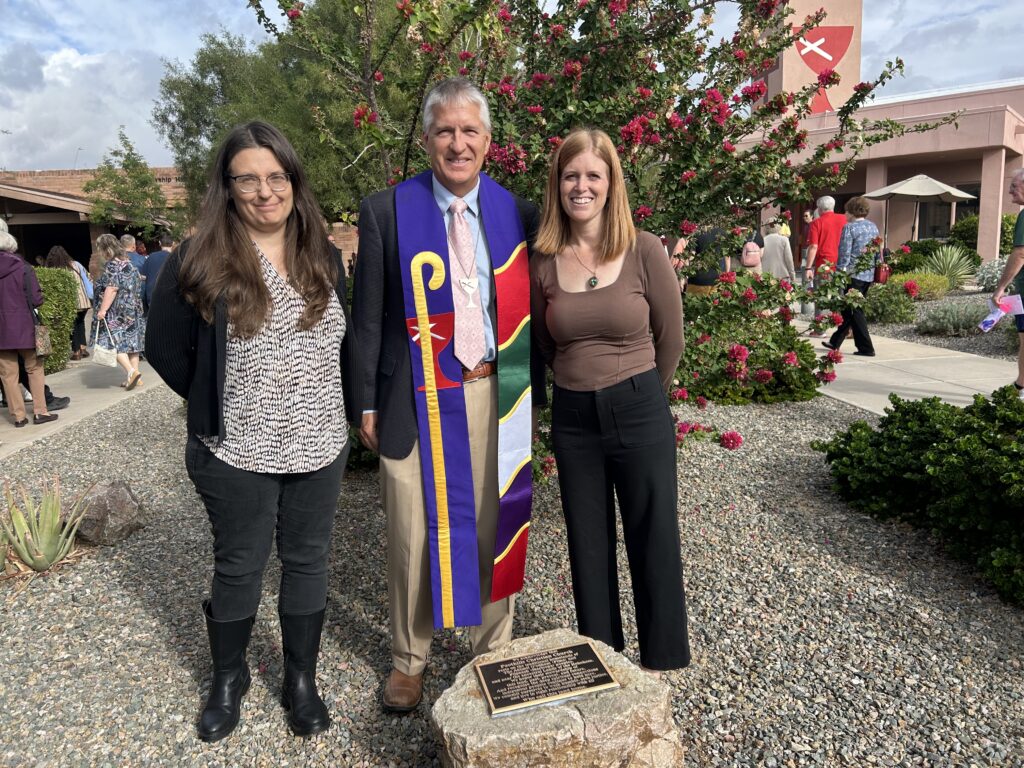
Our revitalization has strengthened not only our facilities, but also our confidence, hope, and momentum as a congregation. We are deeply grateful to the Arizona Region for investing in First Christian Church of Mesa during a pivotal time. Because of our partnership, FCC Mesa is once again a visible, growing, and hopeful presence in our community. We look forward to continuing this work with gratitude, faith, and renewed commitment to the ministry God has entrusted to us.
Congregational Vitality Grants
The Arizona Region of the Christian Church (Disciples of Christ) is proud to offer grants to Arizona Disciples congregations in order to promote the vitality of our congregations and their ministry, primarily through the following areas of priority: evangelism/church growth, anti-racism/prophetic unity, and public witness.
Your congregation can apply for a grant by visiting our Congregational Vitality Ministry page.